

Reliable public transit is more than a transportation issue – it is an economic imperative.
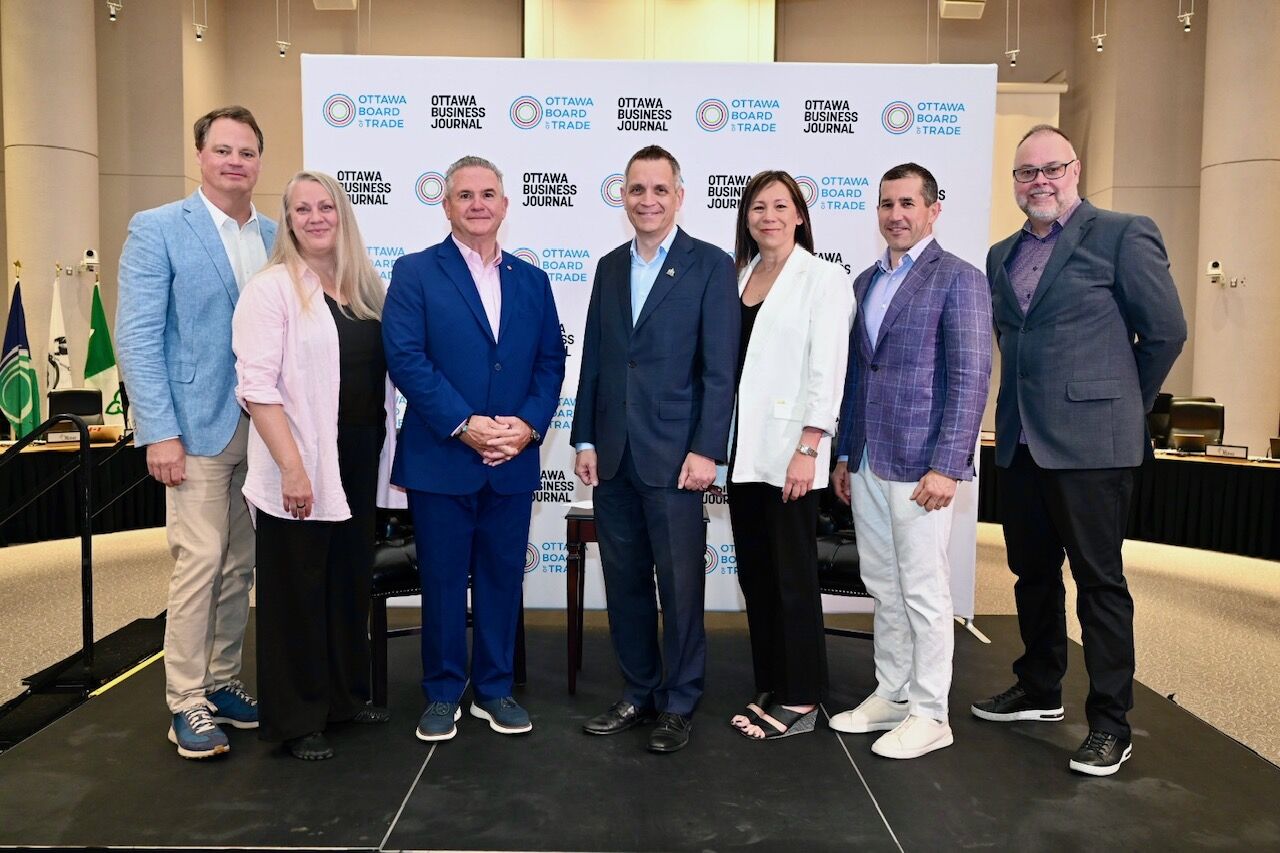
At our Mayor’s Breakfast on June 11, business and community leaders gathered to hear from OC Transpo General Manager Rick Leary and Mayor Mark Sutcliffe about the future of public transit in Ottawa. The discussion provided an encouraging look at the progress being made to improve reliability, strengthen customer experience, and rebuild confidence in a system that plays a critical role in our city’s economic success.
For Ottawa’s business community, the message was clear: transit is foundational infrastructure that supports workforce mobility, housing growth, tourism, downtown revitalization, and economic competitiveness.
Transit as a Driver of Economic Growth
Mayor Sutcliffe opened the conversation by highlighting Ottawa’s strong economic momentum, including a 38% increase in housing starts last year and significant improvements in emergency services performance. He emphasized that continued investment in transit remains essential to supporting the city’s growth.
As Ottawa welcomes new residents, expands housing development, and works to revitalize its downtown core, a reliable transit system is critical to connecting people with jobs, education, services, and opportunities.
The discussion reinforced a key theme of the Ottawa Board of Trade’s advocacy work: infrastructure investments are investments in economic prosperity.
A New Chapter for OC Transpo
Just 80 days into his role as General Manager, Rick Leary outlined a clear vision for the future of OC Transpo.
Drawing on more than four decades of transit leadership experience – including seven years leading the Toronto Transit Commission (TTC), North America’s third-largest transit system – Leary spoke candidly about the challenges facing Ottawa’s transit network and the actions already underway to address them.
His approach is anchored by a new Customer First Action Plan, which focuses on three priorities:
- Operational excellence
- Workforce sustainability
- Financial stewardship
At the centre of the plan is a commitment to put the customer experience at the heart of every decision.
“Customer first” means more than simply operating vehicles on time. It means ensuring the entire journey – from station cleanliness and safety to communications, reliability, and service delivery – meets the expectations of residents and visitors alike.
Early Signs of Progress
Leary highlighted several improvements already underway across the system.
Most notably, OC Transpo has successfully restored double-car train service on Line 1, increasing capacity and improving the customer experience.
Bus reliability is also improving. According to Leary, the first two weeks of May delivered the strongest bus performance in six to seven years. To build on that momentum, OC Transpo plans to adjust schedules on approximately 20 to 30 routes by September, representing roughly half of system ridership.
The expansion of Ottawa’s LRT network is also progressing. Final testing on the eastern extension of Line 1 is expected to begin soon, bringing rail service deeper into Orléans and further strengthening regional connectivity.
Modernizing the Bus Fleet
A major component of the recovery strategy is fleet modernization.
Leary shared that within the next 12 to 14 months, approximately half of OC Transpo’s bus fleet will be new. More than 120 electric buses are already available for service, with over 90 deployed daily.
Replacing aging vehicles with newer, more reliable technology is expected to significantly improve service reliability while reducing maintenance pressures.
Leary described the coming year as a transformational period for the fleet, driven by new vehicles, revised schedules, and continued hiring efforts.
Investing in People and Culture
A recurring theme throughout the discussion was the importance of OC Transpo’s workforce.
Having started his own career as a train operator, Leary emphasized his commitment to frontline employees and creating a culture of recognition, accountability, and collaboration.
He spoke about the need to shift from simply recruiting talent to actively developing it. Initiatives such as apprenticeship partnerships with Algonquin College are helping build a sustainable pipeline of skilled workers for the future.
Leary also stressed the importance of transparency, breaking down organizational silos, and celebrating employee contributions more visibly.
Rebuilding Public Confidence
Perhaps the most important takeaway from the conversation was the focus on restoring trust.
Leary acknowledged that rebuilding confidence in public transit will take time, but he expressed optimism about the direction the organization is heading. His commitment to living in Ottawa, riding the system regularly, engaging directly with employees and customers, and learning French reflects a hands-on leadership style focused on understanding the community firsthand.
Mayor Sutcliffe echoed that optimism, noting that he feels more confident about the future of public transit than at any point in the past several years.
Looking Ahead
Ottawa is at an important moment in its growth story. Investments in housing, downtown revitalization, economic development, and infrastructure are all interconnected, and public transit sits at the centre of that equation.
For the business community, a reliable and customer-focused transit system is essential to attracting talent, supporting employers, growing tourism, and ensuring Ottawa remains competitive.
The conversation with Rick Leary offered a clear message: while challenges remain, meaningful progress is underway, and there is a renewed focus on delivering the transit system that residents, businesses, and visitors deserve.
The Ottawa Board of Trade will continue to convene conversations like these and advocate for the investments needed to build a stronger, more connected, and more competitive Ottawa.