
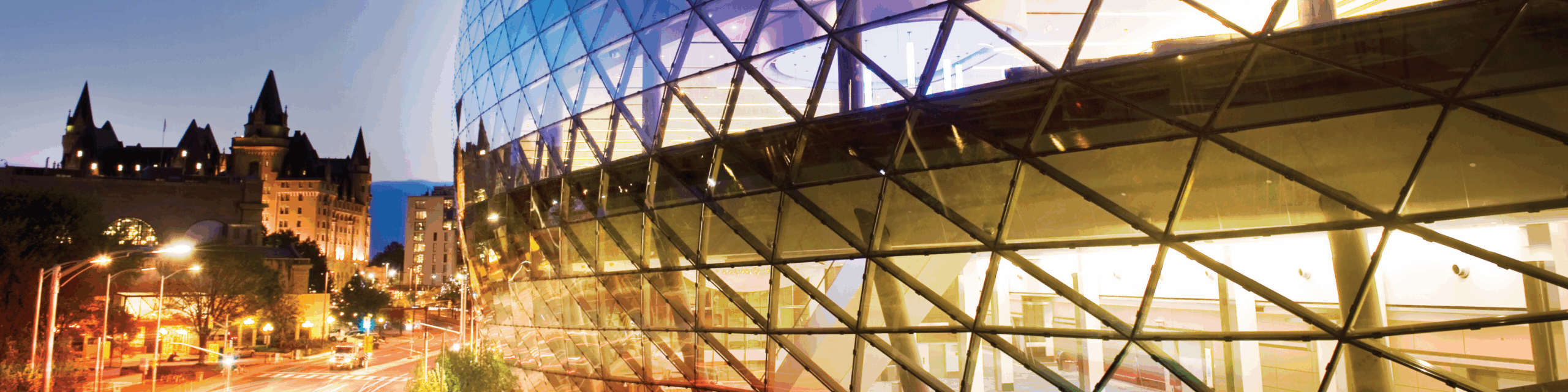
Downtown Ottawa is not simply a place on a map. It is our economic engine, our cultural stage, and our global front door. When downtown thrives, investment grows, talent stays, tourism expands, and confidence rises across our region. Its success is not optional. It is foundational to Ottawa’s future and to our role as Canada’s capital.
At our second annual Downtown Ottawa Forum on February 19, local business, government, arts and culture, health care, housing, policing, and development leaders came together to assess progress and accelerate action. The energy in the room reflected a shared understanding that while challenges remain, momentum is building. The conversation focused on four main themes: why downtown matters, how safety underpins revitalization, how arts and public spaces fuel vibrancy, and what it will take to design a core built for growth.
We are deeply grateful to our sponsors, the Downtown BIA and Architects DCA, whose leadership and investment helped make this event possible. Their commitment reflects the collaborative spirit required to drive meaningful change in our core.
Downtown as an Economic and National Imperative
Downtown Ottawa shapes how investors, residents, and visitors experience our city. It influences where companies choose to locate, where young professionals decide to build careers, and how Canada is perceived on the global stage. As the capital of a G7 country, our downtown carries unique weight. It is the backdrop for national institutions, international media, and moments that define Canada’s story.
Since declaring downtown a top priority in 2023 and launching the Downtown Ottawa Action Agenda at livingcapitalottawa.ca in 2024, the Ottawa Board of Trade has worked alongside partners including the City of Ottawa, the National Capital Commission, Invest Ottawa, Ottawa Tourism, BOMA, and many others to advance a coordinated strategy. That collaboration led to a bold framework grounded in vibrancy, economic diversification, health and safety, and connection.
Progress is visible. Visitor traffic in the ByWard Market increased by 50 percent last year. More than 800 new housing units have been added downtown since 2023 through office conversions. City Council has approved more than 10,000 additional units, including major developments now rising at LeBreton Flats. Private sector investments, from new hotels to Live Nation’s upcoming History Ottawa concert venue, signal renewed confidence in the core.
The main takeaway from the event was clear: a thriving downtown is not a luxury. It is the engine that drives the entire region.
Safety as the Foundation
Every conversation about revitalization begins with safety. People must feel secure to live, work, visit, and invest downtown. Leaders from the Royal Ottawa Hospital, Ottawa Community Housing, and the Ottawa Police Service emphasized that safety, mental health, and housing stability are deeply connected.
Ottawa is currently supporting approximately 3,000 people experiencing homelessness, many facing substance use disorders and mental health challenges. Since 2023, the city has created more than 700 new transitional housing beds and is advancing a renewed 10-year housing and homelessness plan.
The Ottawa Police Service has added 14 additional officers to the downtown core, shifting toward a more proactive presence focused on deterrence, collaboration, and targeted enforcement. A comprehensive downtown safety plan will launch this spring, outlining how resources will be deployed to support both residents and businesses.
Safety is not separate from revitalization. It is the platform on which everything else is built.
Arts, Culture, and Public Spaces as Catalysts
If safety creates the foundation, vibrancy fuels momentum. Downtown vitality depends on energy, animation, and experiences that draw people in and encourage them to stay.
This summer will mark a major milestone with the opening of History Ottawa at Rideau and Sussex. This new music venue by Live Nation is expected to host approximately 150 events annually and attract 300,000 visitors, adding consistent foot traffic and global caliber programming to the ByWard Market. The Arts Corridor and ACE District initiatives will further connect cultural venues, galleries, and public spaces across the core.
Ottawa’s Nightlife Economy Action Plan, backed by unanimous political support, reflects growing recognition that nightlife is economic infrastructure. It supports jobs, tourism, talent retention, and social cohesion. Investments in Metcalfe Plaza, Sparks Street programming, and seasonal activations are already demonstrating how small scale, consistent programming can transform underused spaces into vibrant gathering points.
Ottawa must continue to embrace its identity as a winter capital. From Winterlude to the Rideau Canal and year-round festivals, our ability to animate public spaces in every season is a competitive advantage. Future growth must continue to account for all weather planning, ensuring downtown remains lively from January through December.
Designing Downtown for Growth
Successful downtowns operate as complete ecosystems. Housing at a range of price points, diverse employment opportunities, dependable transit, and welcoming public spaces must all function together. When one element lags, the entire system feels the strain. When they move in sync, downtown achieves the critical mass that supports local businesses, attracts investment, and keeps streets animated throughout the day and evening.
There are encouraging signs of progress. The City has streamlined development processes, eliminating 13 required studies and revising others to clarify scope and reduce duplication. More than 340 residential units are ready to begin construction downtown, with over 4,000 additional units in advanced planning stages.
The National Capital Commission is also playing a pivotal role. Its commitment to enabling up to 25,000 homes on federal lands over the next seven years represents a significant opportunity to add density in prime locations.
Designing downtown for growth means planning beyond the immediate horizon. It requires building a core that can weather economic cycles, adapt to workforce changes, and meet the evolving expectations of residents and visitors. With the right coordination and sustained leadership, downtown Ottawa can become busier, more connected, and more vibrant in every season.
A Shared Mission
The Downtown Ottawa Forum 2026 reinforced one unifying truth. Renewal is not one project or one policy. It is a shared mission that demands vision, collaboration, and execution.
Downtown transformation happens when business, government, community organizations, and cultural leaders recognize that the success of our core benefits the entire region.
Thank you to our speakers, partners, sponsors, and every participant who brought candor, bold thinking, and a readiness to act. Together, we are building a downtown that is more diverse, more resilient, and more vibrant than ever before.
The momentum is real. Now we accelerate.
View photos from the event here.
Recordings of each panel from the Downtown Ottawa Forum 2026 are also available. Watch them here: